

Research
Hangari Fermentation Lab: Hangari vs. Plastic

Hangari Fermentation Lab is an independent study examining how vessel material affects the fermentation of makgeolli, a traditional Korean rice wine. The project compares fermentation inside a traditional hangari with fermentation in a modern plastic container under identical environmental conditions.
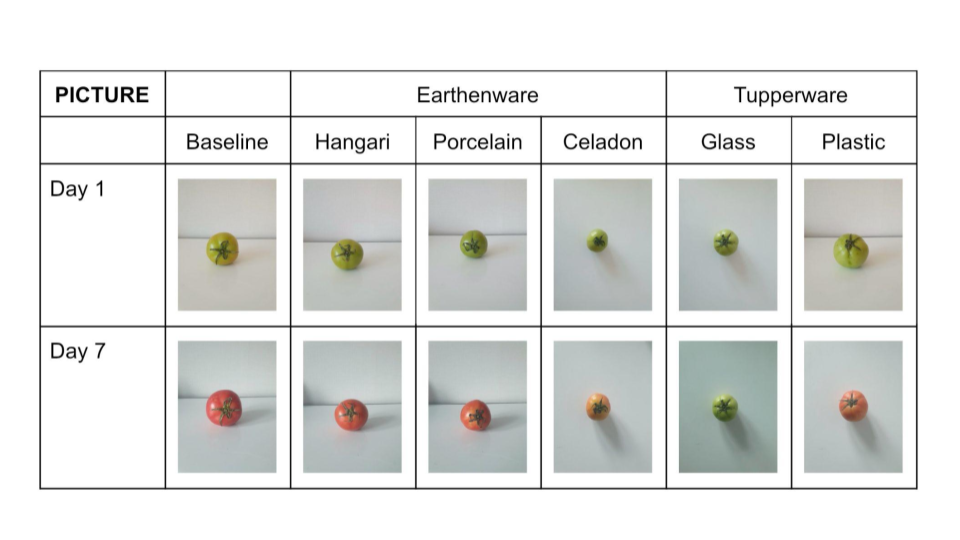
Hangari are made from breathable clay, allowing micro-airflow and moisture exchange through fine pores in the pottery walls. This creates a naturally regulated fermentation environment: CO2 escapes gradually, oxygen flow remains minimal, and internal humidity stays stable. Plastic containers, by contrast, are sealed and non-porous, trapping gases and producing sharper internal fluctuations.
To see the structural differences influences makgeoli fermentation, traked CO2 release patterns, temperature changes inside each container, ph shifts and acidity development.

The final results show that hangari provide a smoother and more stable fermentation curve, supporting gradual microbial activity and balanced acidity. Plastic containers ferment faster but experience uneven temperature spikes, inconsistent CO2 buildup, and more abrupt flavor shifts.

